Criteria for Selecting a Urologist and Medical Care in Adana
When selecting a specialist for urological conditions in Adana and the Çukurova region, the integration of clinical expertise and advanced technological infrastructure remains the paramount factor. Urological disorders encompassing the kidneys, urinary tract, bladder, and reproductive organs affect a broad demographic range, from pediatric to geriatric patients. Accurate diagnosis combined with minimally invasive surgical techniques significantly reduces recovery time and offers tissue-sparing advantages.
Key Clinical Domains and Advanced Surgical Procedures
Modern endoscopic, laparoscopic, and laser surgeries have largely superseded traditional open procedures, elevating patient comfort and surgical success rates. Primary conditions requiring specialized urological evaluation include:
- Benign Prostatic Hyperplasia (BPH) and HoLEP: Holmium Laser Enucleation of the Prostate (HoLEP) involves complete tissue removal using laser energy. This technique minimizes recurrence risks even in large prostates while preserving sexual function.
- Kidney and Urinary Tract Stones (RIRS & PNL): Retrograde Intrarenal Surgery (RIRS) utilizes flexible endoscopic tools to fragment kidney stones via laser without any external incisions. Percutaneous Nephrolithotomy (PNL) is employed for larger stone burdens through a minimal tract created in the back.
- Urological Oncology: Organ-preserving laparoscopic and open oncological protocols are executed for kidney, bladder, prostate, and testicular cancers.
- Andrology and Men's Health: Microscopic varicocelectomy, penile prosthesis implantation for erectile dysfunction, and male infertility evaluations follow global clinical guidelines.
- Female Urology and Incontinence: Surgical sling procedures such as TOT (Transobturator Tape) and TVT improve quality of life in stress urinary incontinence cases.
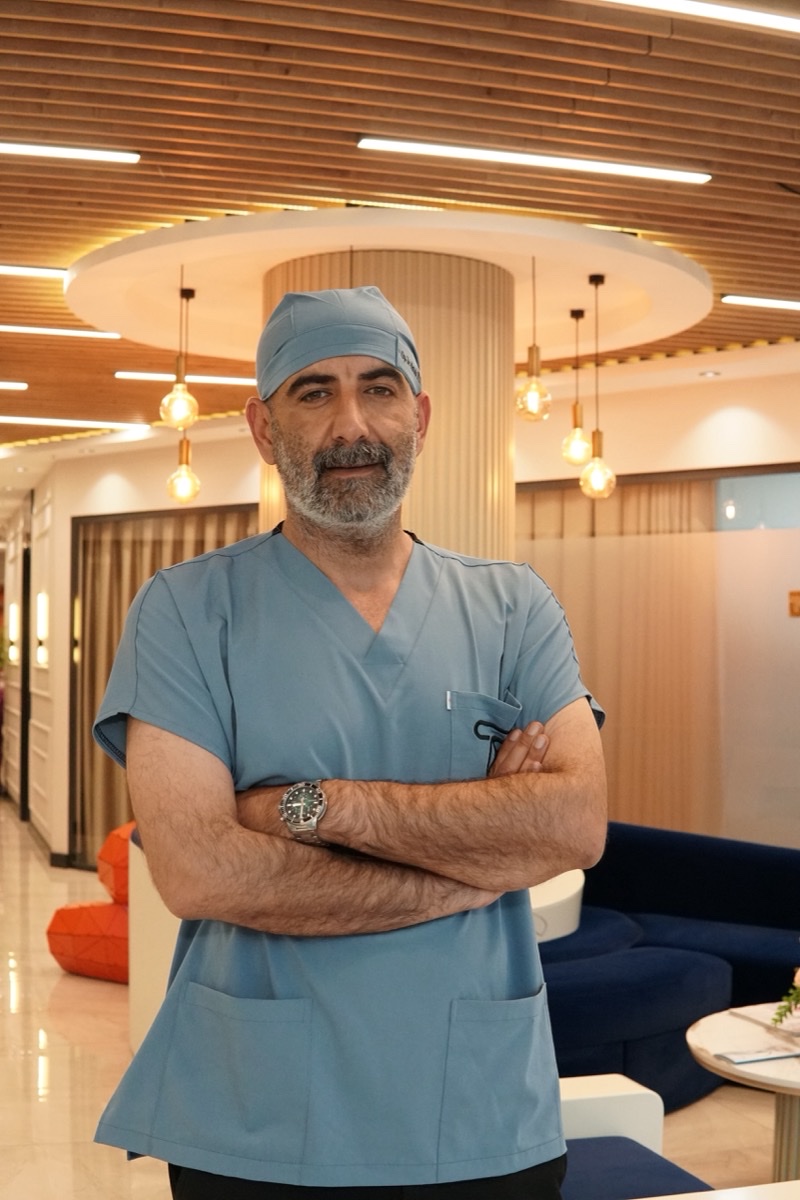
Surgical Approach and Technology: Op. Dr. Fettah Tosun
Providing specialized urological care in Adana, Op. Dr. Fettah Tosun adheres strictly to international urology guidelines (EAU and AUA). Diagnostic pathways integrate multi-parametric MRI, fusion biopsies, and advanced urodynamic testing, whereas surgical interventions prioritize minimally invasive techniques to reduce tissue trauma. Patient-centered care focuses not only on immediate symptom control but also on long-term functional preservation.
The Urological Evaluation and Diagnostic Process
Patients presenting with symptoms such as urinary frequency, dysuria, hematuria, flank pain, or erectile difficulties undergo a structured diagnostic pathway:
- Comprehensive History and Physical Examination: Systematic assessment of symptoms, medical history, and current medications.
- Laboratory and Imaging Diagnostics: Urinalysis, Serum PSA testing, renal panel tests, and high-resolution ultrasonography.
- Advanced Interventional Diagnostics: Application of flexible cystoscopy or CT angiography/urography when indicated.
- Tailored Therapeutic Planning: Formulation of medical management, lifestyle intervention, or targeted surgical strategy based on individual patient parameters.
Frequently Asked Questions
- What is the recovery timeframe after HoLEP surgery? Catheter removal typically occurs within 1 to 2 days, allowing patients to resume normal daily activities promptly.
- Is laser stone surgery suitable for all kidney stones? RIRS is highly effective for stones up to 2 cm, whereas PNL or combined modalities are indicated for larger stone volumes.
- How should a patient prepare for a urology consultation in Adana? Arriving with a full bladder and fasting facilitates immediate ultrasound evaluations and blood work.