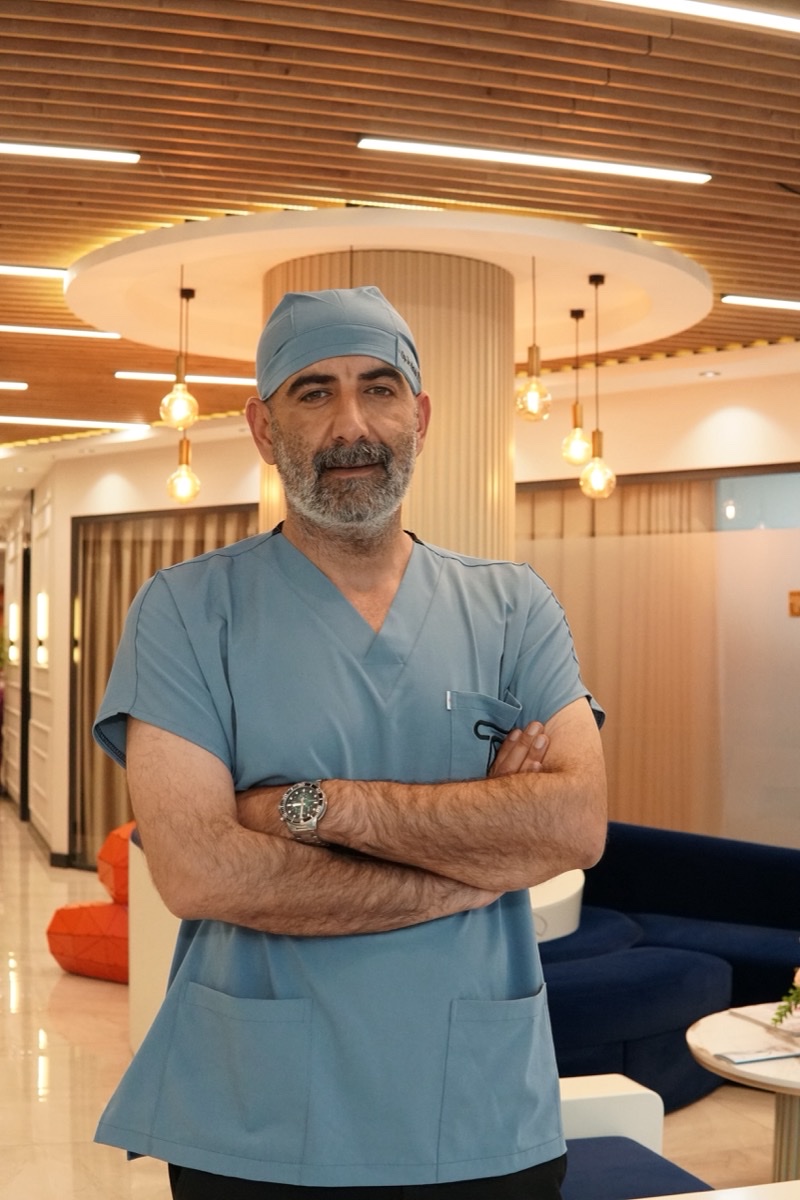
Adana, as one of Turkey's vibrant and dynamic cities, hosts significant healthcare centers. Urological health is a critical area that directly impacts our overall quality of life, and advancements in this field enable the early diagnosis and successful treatment of diseases. At our clinic, as Op. Dr. Fettah Tosun, we approach our patients in Adana and the Çukurova region with the most current and scientific methods, offering the power of advanced diagnostic techniques for urological issues. Our goal is to ensure our patients take healthy steps towards a better life through accurate and rapid diagnoses. In this blog post, we will detail the advanced diagnostic methods used in urology and explain what they mean for our patients in Adana.
Why Are Advanced Diagnostic Methods So Important?
Traditional diagnostic methods have played a fundamental role in detecting urological diseases for years. However, modern medicine, thanks to continuously evolving technology and increasing scientific knowledge, has gained the ability to diagnose diseases earlier, more accurately, and less invasively. Especially common urological conditions such as prostate cancer, kidney stones, bladder cancer, and urinary incontinence can be managed much more effectively with advanced diagnostic methods.
Early Diagnosis: Detecting diseases before symptoms appear or when they are very mild significantly increases treatment success.Accurate Staging: Correctly determining the extent of disease spread, especially in cancer cases, forms the basis of the treatment plan.Personalized Treatment: Detailed diagnostic information allows for the determination of the most suitable treatment strategy for each patient's specific condition.Avoiding Unnecessary Interventions: Precise diagnosis helps prevent incorrect or unnecessary biopsies and surgical procedures.Advanced Diagnostic Methods Used at Op. Dr. Fettah Tosun Clinic
Our clinic houses the most current diagnostic tools in the field of urology in Adana. We aim to achieve the most accurate results by offering a personalized diagnostic process tailored to our patients' needs.
1. Advanced Imaging Techniques
Imaging methods allow us to non-invasively examine the internal structure of the urological system. The primary advanced imaging techniques we apply in our clinic include:
Multiparametric Prostate MRI (mpMRI): This groundbreaking method in prostate cancer diagnosis combines standard MRI with diffusion and perfusion MRI data to detect suspicious areas in prostate tissue with high accuracy. It plays a critical role, especially in targeting biopsies and making active surveillance decisions. By effectively utilizing this technology in Adana, we help our patients avoid unnecessary biopsies or receive accurate diagnoses through more targeted biopsies.Computed Tomography (CT) Urography: This method, which comprehensively evaluates the kidneys, ureters, and bladder, is the gold standard for determining the location, size, and composition of kidney stones. It also provides crucial information for the diagnosis and staging of kidney and bladder tumors. In regions with hot climates like Adana, where the risk of kidney stone formation is high, this method is vital for early intervention.Renal Scintigraphy (DMSA, DTPA): A nuclear medicine technique used to evaluate the function of individual kidneys. It is valuable in detecting the degree of obstruction, kidney damage, and congenital anomalies. This allows us to clearly see how well each kidney is functioning and shapes our treatment decisions.High-Resolution Color Doppler Ultrasonography: An advanced ultrasound technique that evaluates not only the structure of organs but also blood flow. It is used in the diagnosis of varicocele by examining blood flow in testicular veins to determine the need for surgical intervention, in the diagnosis of kidney vascular diseases, and in differentiating testicular tumors. At our clinic, we offer detailed and non-invasive examinations with modern ultrasound devices.2. Advanced Biomarkers and Liquid Biopsies
Biomarkers obtained from blood, urine, or other bodily fluids provide important clues regarding the presence, risk, or progression of diseases. Significant advancements have been made in this area in recent years.
PSA and Its Derivatives (Free PSA, PSA Density, PSA Velocity): Prostate-Specific Antigen (PSA) has long been used as a marker in prostate cancer screening. However, PSA values alone can be misleading. By evaluating derivatives such as free PSA percentage, PSA density, and PSA velocity, we more accurately estimate prostate cancer risk and reduce the rate of unnecessary biopsies.Urinary Biomarkers (NMP22, FGFR3, UroVysion FISH): Urine-based biomarkers show promise in the screening, diagnosis, and recurrence monitoring of bladder cancer. Tests like NMP22, FGFR3 mutation analysis, and FISH can detect bladder cancer cells or genetic abnormalities in urine, which can be particularly helpful as an adjunct to cystoscopy or in reducing the frequency of cystoscopy. This allows us to offer less invasive follow-up options for our patients.Liquid Biopsy (Circulating Tumor DNA - ctDNA): A revolutionary method, especially in metastatic cancers or in monitoring recurrence after treatment. Analysis of DNA fragments shed from tumor cells (ctDNA) in blood samples can provide information about the genetic makeup of cancer, its response to treatment, and possible resistance mechanisms. This offers a significant advantage, especially for patients with advanced urological cancers in Adana, in determining personalized and targeted treatment options.3. Advanced Endoscopic Methods
Endoscopic methods involve inserting small camera-equipped instruments into the body to directly visualize organs and, if necessary, take biopsies.
Cystoscopy with Narrow Band Imaging (NBI): NBI technology, used in addition to standard cystoscopy, makes blood vessels within the bladder more prominent, providing superiority in detecting early-stage and potentially overlooked bladder tumors. This improves diagnostic accuracy in bladder cancer and allows us to catch recurrences earlier.Flexible and Rigid Ureteroscopy/Renoscopy: These methods, used for direct visualization and treatment of stones or tumors within the kidney and ureter, offer minimally invasive approaches. Thanks to thin fiber optic cameras, we can reach even the narrowest parts of the urinary tract, enabling accurate diagnosis and treatment.4. Functional Diagnostic Methods
Some urological problems arise from functional disorders of organs rather than structural ones. In such cases, functional tests come into play.
Urodynamic Studies: Performed to understand the cause of voiding dysfunctions such as urinary incontinence, frequent urination, or difficult urination. They comprehensively evaluate the bladder's storage and emptying functions, bladder pressures, and sphincter mechanisms, helping us determine the appropriate treatment strategy. We offer solutions to improve the quality of life for patients with such complaints in Adana.Urinary Flow Rate Tests (Uroflowmetry): A simple, non-invasive test that measures the speed and volume of urination. It is one of the first-line diagnostic methods for patients suspected of having voiding difficulties or obstruction.5. Genetic Tests
Some urological diseases are associated with genetic predisposition. Genetic tests can be used to determine disease risk or predict treatment response.
Genetic Panels for Hereditary Cancer Syndromes: In individuals with a family history of prostate, kidney, or bladder cancer, we investigate gene mutations like BRCA1/2 to assess cancer risk and develop appropriate screening or preventive strategies accordingly.Infertility and Genetic Factors: In cases of male infertility, genetic factors related to sperm production (e.g., Y chromosome microdeletions, Cystic Fibrosis Transmembrane Conductance Regulator - CFTR gene mutations) are investigated to determine appropriate treatment approaches.The Op. Dr. Fettah Tosun Difference: A Leading Approach to Urological Health in Adana
Adana and the Çukurova region's hot climate requires special attention, particularly regarding urological problems related to kidney stone formation and dehydration. At our clinic, taking into account the demographic and environmental factors of the region, we provide our patients with healthcare that is not only up to international standards but also sensitive to local needs. As Op. Dr. Fettah Tosun, we offer:
Personalized Treatment Plans: Tailored diagnostic and treatment protocols are created, considering each patient's unique biological makeup, lifestyle, and disease progression.Current Technology and Scientific Approach: Our clinic closely follows the latest technological advancements and scientific research in urology, integrating them into our diagnostic and treatment processes.Empathy and Patient-Centered Care: Understanding our patients' concerns and providing a reassuring environment during diagnosis and treatment are our fundamental principles. We inform our patients at every step, ensuring their participation in decisions.Multidisciplinary Collaboration: When necessary, we collaborate with specialists from other medical disciplines to provide our patients with holistic healthcare.Conclusion: The Importance of Early Diagnosis for a Healthy Future
Early and accurate diagnosis of urological diseases is the key to a successful treatment process and a high quality of life. In Adana, as Op. Dr. Fettah Tosun, we are proud to contribute to our patients' health through the possibilities offered by advanced diagnostic methods. Remember, for any urological symptoms you suspect or for your regular check-up needs, consulting a specialist urologist is the correct step. Do not hesitate to contact our clinic to take the necessary steps for a healthy life and to protect your urological health. Your health is our priority.
Randevu mu almak istiyorsunuz?
Bu konu hakkında daha fazla bilgi almak veya bir muayene planlamak için bizimle iletişime geçin.