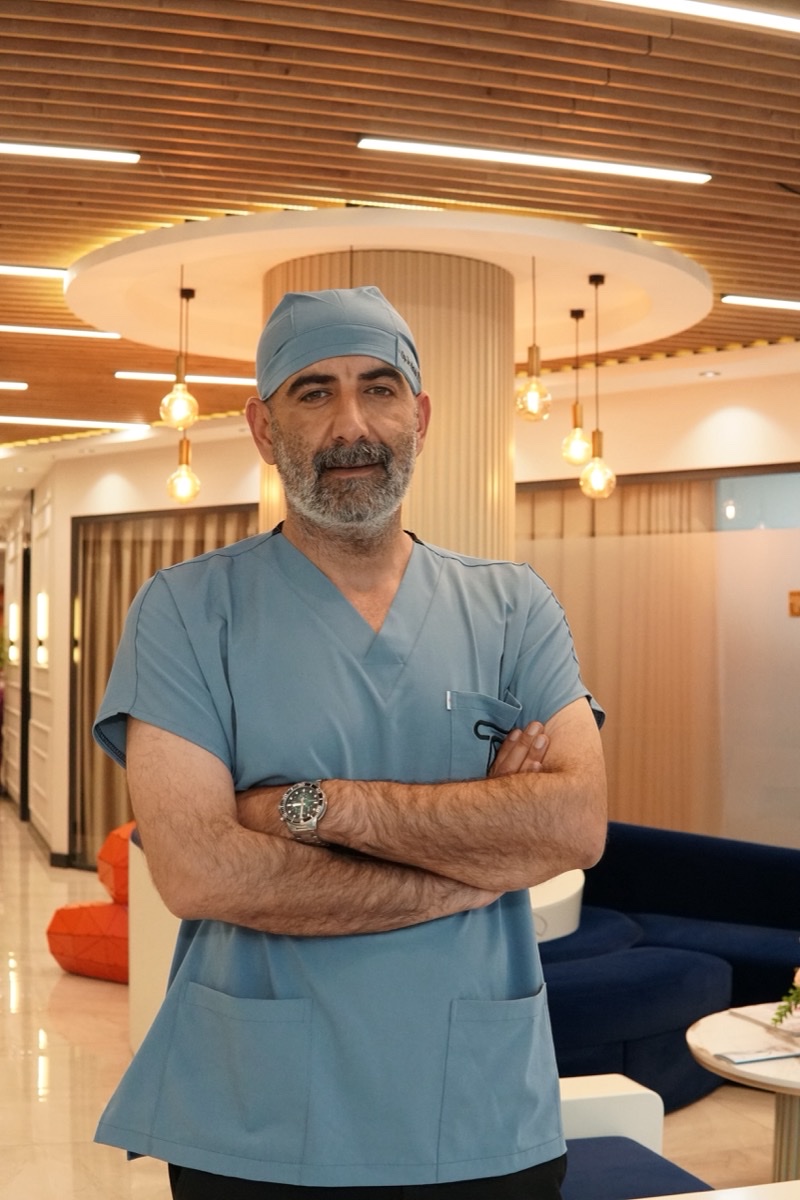
What is Varicocele and Why Does It Require Treatment?
Varicocele is an abnormal enlargement and varicosity of the veins in the spermatic cord that nourish the testes. It is the most common cause of correctable male infertility, offering the highest success rates following surgical intervention. Dilated veins cause an increase in testicular temperature and an accumulation of toxic metabolic waste, negatively impacting sperm production, motility, and morphology. Surgical intervention becomes medically necessary in the presence of testicular pain, progressive testicular shrinkage (atrophy), or abnormal semen analysis parameters.
Gold Standard Treatment: Microsurgical Varicocelectomy
Current medical guidelines primarily recommend microsurgical varicocelectomy for the treatment of varicocele. High-power surgical microscopes are utilized during the operation. This optical magnification allows for precise identification and preservation of the testicular artery and lymphatic vessels, while only the problematic, dilated veins are selectively ligated and divided.
Advantages of the Microsurgical Method
- High Success and Low Recurrence Rate: Because even the smallest venous branches can be detected under magnification, the risk of disease recurrence is as low as 1%.
- Arterial Preservation: The risk of accidentally ligating the testicular artery is eliminated, preventing testicular atrophy.
- Reduced Risk of Hydrocele: Since lymphatic vessels are carefully preserved, post-operative fluid accumulation (hydrocele) around the testis does not occur.
- Rapid Recovery: As muscle tissue is separated rather than cut, post-operative pain is minimal, significantly shortening the time required to return to daily activities.
Varicocele Surgery and Treatment Costs in Adana
Adana stands out as one of the region's most preferred hubs for urology and microsurgical interventions due to its advanced healthcare infrastructure and well-equipped medical centers. Varicocele surgery pricing does not adhere to a single standard fee; instead, it varies based on the specific surgical technique and clinical requirements. The utilization of surgical microscopes and specialized single-use surgical micro-instruments creates foundational differences in cost compared to traditional open surgical approaches.
Key Factors Determining Pricing
- Unilateral vs. Bilateral Procedure: Operative time and medical supplies differ significantly between unilateral (typically left-sided) and bilateral varicocele interventions.
- Surgical Technique and Equipment: High-resolution optical microscopes and micro-instruments used in microsurgery are major components influencing the overall treatment cost.
- Hospital Segment and Facilities: The technological infrastructure, operating room standards, and inpatient accommodations of the healthcare facility directly shape the pricing structure.
- Type of Anesthesia: Whether the operation is conducted under general or spinal anesthesia, along with specific perioperative monitoring protocols, plays a role in total costs.
- Duration of Hospitalization: Although varicocele surgery is largely performed as an outpatient procedure, an planned overnight stay based on patient condition will affect the final billing.
Recovery Process and Post-Operative Care
Patients are generally discharged on the same day following microsurgical varicocelectomy. Resting at home for the first 48 hours and applying intermittent ice packs to the operative area significantly reduces edema and mild discomfort. Since absorbable subdermal cosmetic sutures are customarily used, there is no need for stitch removal.
Critical Guidelines During the Recovery Period
- Return to Daily Activities: Patients can typically resume light desk jobs and routine daily activities within 2-3 days after surgery.
- Exercise and Heavy Lifting: Strenuous exercises that increase intra-abdominal pressure, heavy lifting, and intense core workouts must be avoided for at least 4 weeks.
- Intimacy and Bathing: Sexual intercourse should be avoided for the first 2 weeks post-operation. Patients are generally allowed to take a standing shower 3 days after surgery.
- Monitoring Sperm Parameters: Because the human spermatogenesis cycle lasts approximately 72 to 90 days, evaluation of surgical success via semen analysis (spermiogram) is performed no earlier than the 3rd month post-surgery.