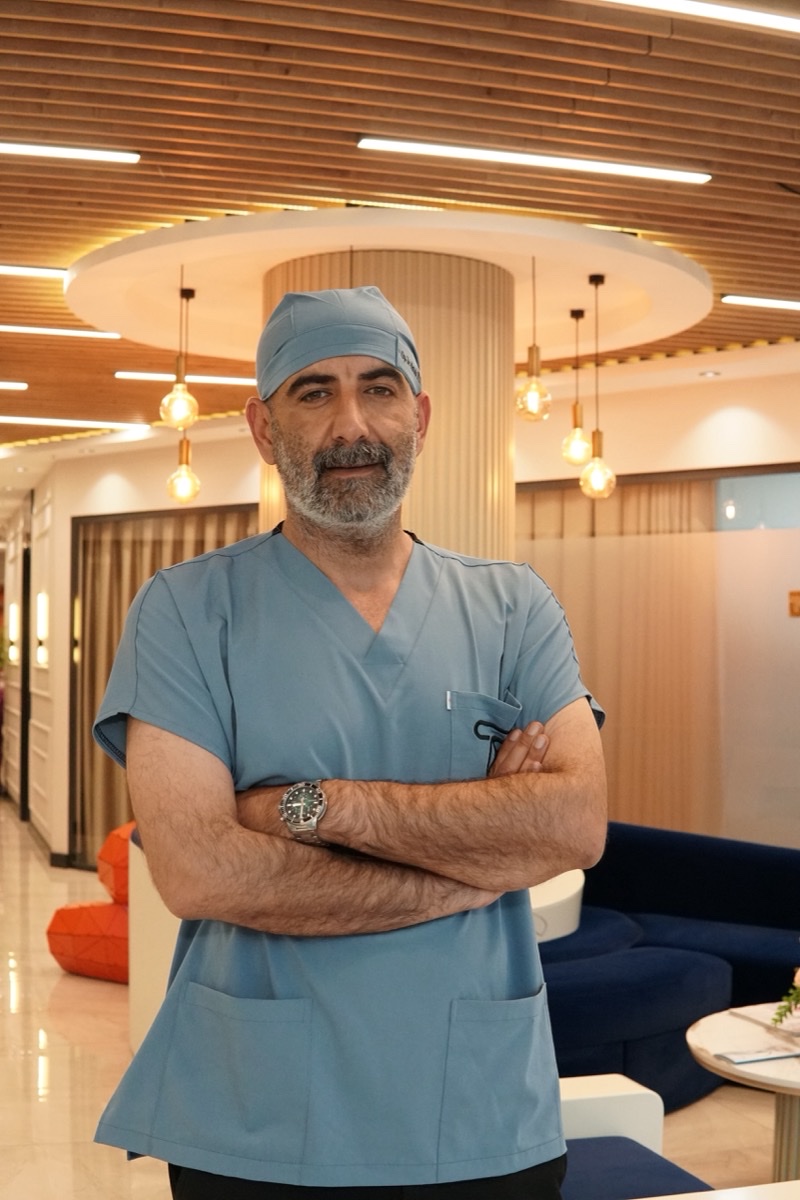
Technological advancements in urology allow the effective treatment of bladder dysfunctions that were once considered difficult or impossible to manage. Sacral neuromodulation (bladder pacemaker) represents a major breakthrough in this field. This article provides detailed insights into sacral neuromodulation surgery and clinical practices in Adana.
Clinical Approach and Success Factors
The success of sacral neuromodulation therapy relies on selecting the right patient and achieving millimeter-precise surgical electrode placement. Key clinical standards include:
- Accurate Test Phase Management: Patients keep a symptom diary during the trial phase to objectively evaluate changes in urinary frequency and pain scores. Permanent implantation is performed for patients achieving at least a 50% improvement.
- Precise Surgical Technique: Electrode placement into the S3 sacral foramen is performed under intraoperative fluoroscopic guidance with real-time motor and sensory response testing to pinpoint the ideal location.
- Personalized Programming: Postoperatively, device stimulation parameters are customized according to the patient's comfort level.
Through this treatment, many patients gain relief from long-standing urinary incontinence and chronic pain, restoring their social independence and quality of life.