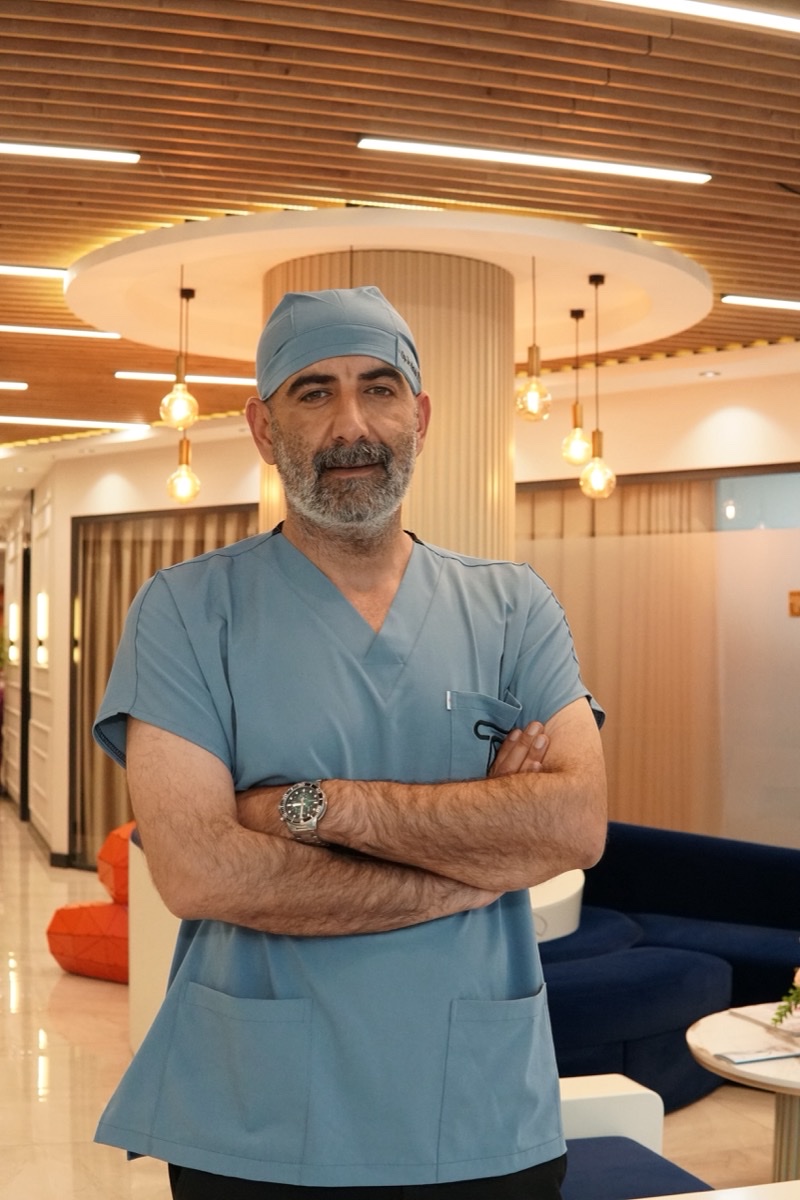
Understanding Erectile Dysfunction and P-Shot (PRP) Therapy
Erectile dysfunction (ED) is a multifactorial medical condition characterized by inadequate penile blood flow, endothelial dysfunction, or structural smooth muscle degeneration. While traditional medical options focus primarily on temporary symptomatic enhancement, the Priapus Shot (P-Shot), utilizing Platelet-Rich Plasma (PRP), aims to induce cellular regeneration and tissue repair within the erectile structures.
Cellular Mechanism of Action in P-Shot Protocol
The P-Shot procedure relies on harvesting autologous growth factors from the patient's own blood and delivering them directly into the cavernosal tissue. The concentrated plasma obtained post-centrifugation is rich in key signaling proteins including Vascular Endothelial Growth Factor (VEGF), Platelet-Derived Growth Factor (PDGF), and Transforming Growth Factor-beta (TGF-beta).
- Angiogenesis: Growth factors trigger microvascular neovascularization within the corpus cavernosum, increasing vascular capacity.
- Smooth Muscle Restoration: Supports the structural integrity of cavernous smooth muscle and enhances endothelial nitric oxide release.
- Neural Regeneration: Facilitates peripheral nerve fiber signaling, optimizing tactile sensitivity and physiological response.
Clinical Workflow and Application Protocol in Adana
P-Shot therapy is performed as an outpatient procedure under strict sterile clinical conditions. The process involves standardized procedural steps:
- Venipuncture: A small volume of autologous venous blood (15–20 mL) is collected.
- Centrifugation: The blood is spun in specialized tubes to separate red blood cells and concentrate the platelet layer.
- Topical Anesthesia: High-potency local anesthetic cream is applied to the treatment site to ensure maximum comfort.
- Targeted Injection: The bioactive plasma is precisely injected into pre-mapped anatomical landmarks of the erectile tissue using micro-needles.
Target Patient Population and Indications
P-Shot therapy can be administered independently or in synergy with non-invasive protocols like Low-Intensity Extracorporeal Shockwave Therapy (LI-ESWT). Clinical indications include:
- Patients presenting with mild-to-moderate vasculogenic erectile dysfunction,
- Individuals with contraindications or sub-optimal responses to oral PDE5 inhibitors,
- Early-stage Peyronie's disease associated with localized fibrous plaque formation,
- Post-prostatectomy cases experiencing neurogenic or vascular erectile decline.
Post-Procedure Recovery and Expected Timeline
The entire application takes approximately 30 to 45 minutes, allowing patients to resume regular daily activities immediately. Because cellular tissue remodeling is a gradual biological process, initial therapeutic benefits typically emerge within 2 to 4 weeks, with optimal functional improvements manifesting around the second to third month post-treatment.